
Koji Fermentation
Experience in Tokyo UMAMI & KOJI LAB
Discover koji through hands-on making, microscope observation and tasting. Take home a 90+ page textbook and a kit to begin making your own soy sauce.
- English support throughout
- Solo travelers welcome
- Signature Lunch included
- Private, 1–4 guests
- Languages
- English, with English-speaking support staff
- Duration
- Approx. 4 hours
- Group size
- Private, 1–4 guests
- From
- ¥65,000 per person
An in-depth session on koji
UMAMI & KOJI LAB is our signature experience for visitors to Japan, drawing on selected koji and umami topics from our Fermentation Alchemist Course. Using koji prepared at different stages, you explore the process through making, observation and tasting.
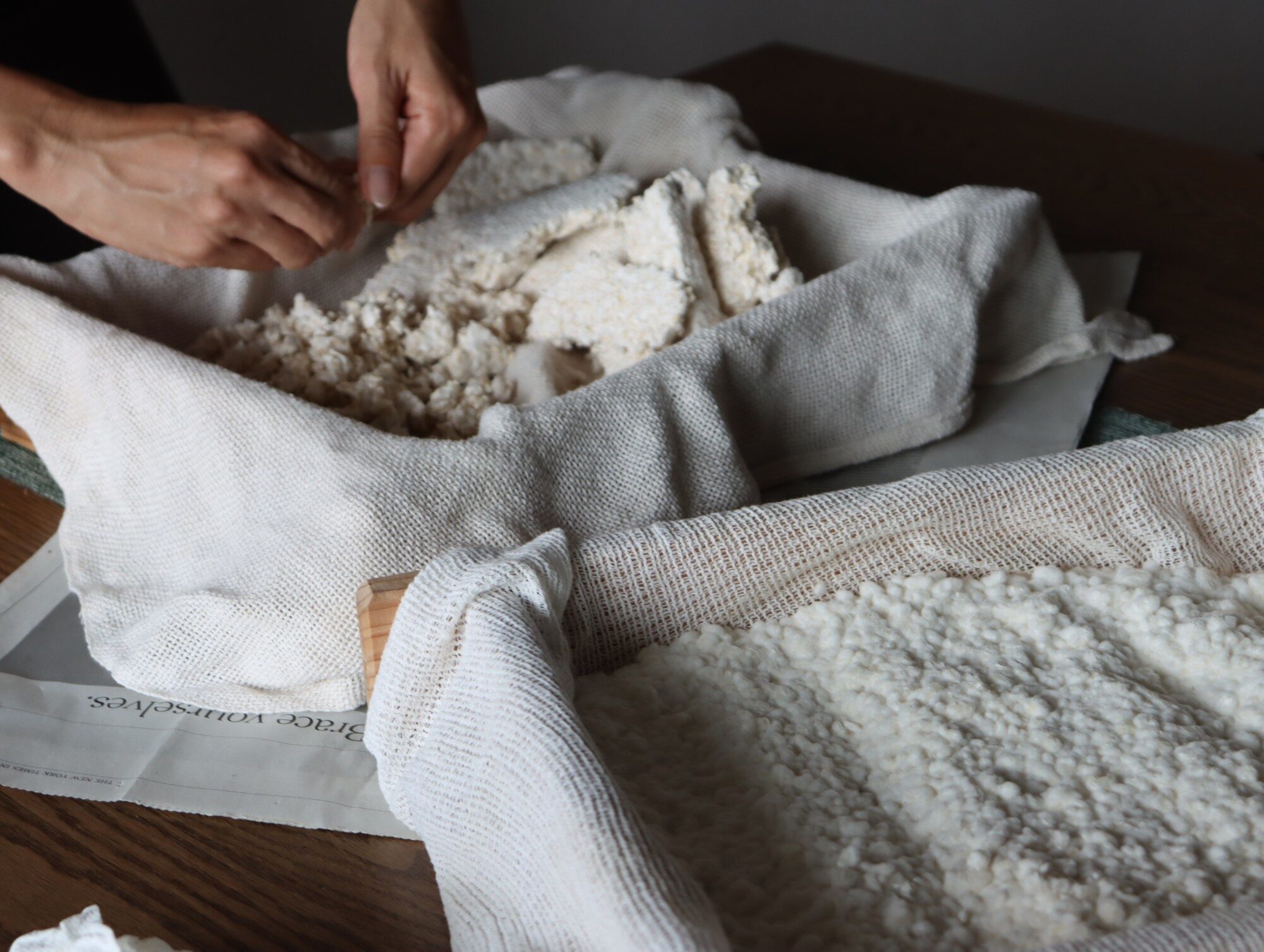
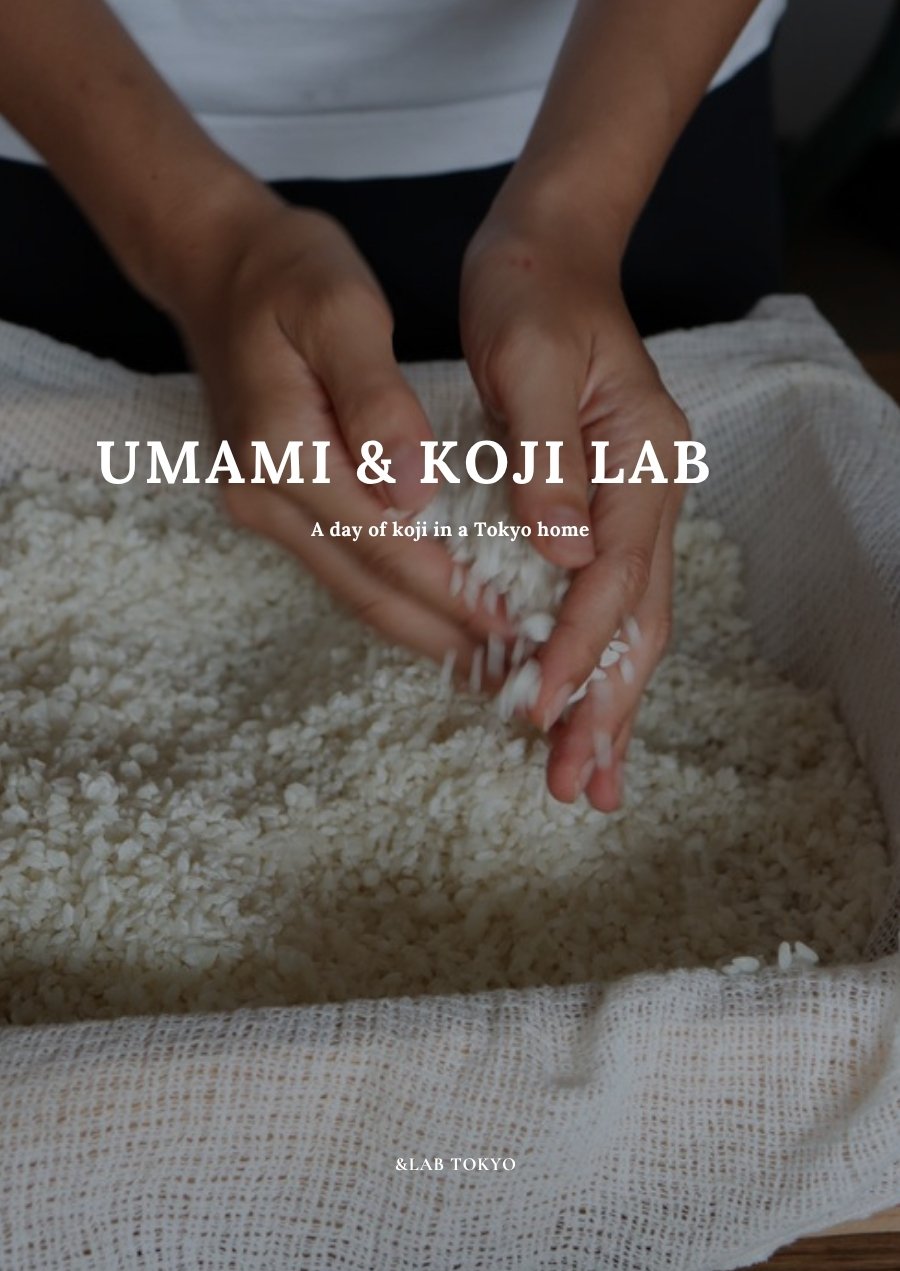
Koji takes several days to grow. We prepare koji in advance so you can experience both inoculating steamed rice and taking finished koji out of incubation during the same lesson.
It is Chie Ando's private kitchen in the middle of Tokyo, not a large cooking school or a tour venue. Beginners are welcome and nothing is assumed; if you already follow fermentation or microbiology, there is plenty further to go.
- ENGLISH SUPPORT THROUGHOUT — English-speaking support staff are arranged for every session, including the technical parts
- SOLO TRAVELERS WELCOME — many guests come alone; couples, friends and groups of up to four book the same private session
A glimpse of your UMAMI & KOJI LAB experience
Watch highlights of the lesson — koji making, microscope observation, tasting and cooking in our Tokyo kitchen.
What is Koji?
Koji is steamed rice, barley or soybeans on which a koji mold has been grown. It is the starting point of miso, soy sauce, sake and mirin.
As the mold grows, it produces enzymes that break starch down into sugars and protein down into amino acids — which is where much of the sweetness and umami of Japanese fermented foods begins.
In this hands-on session, chef and author Chie Ando opens her Jingumae kitchen to share the science, the craft and the living culture behind it.
Discover five types of koji
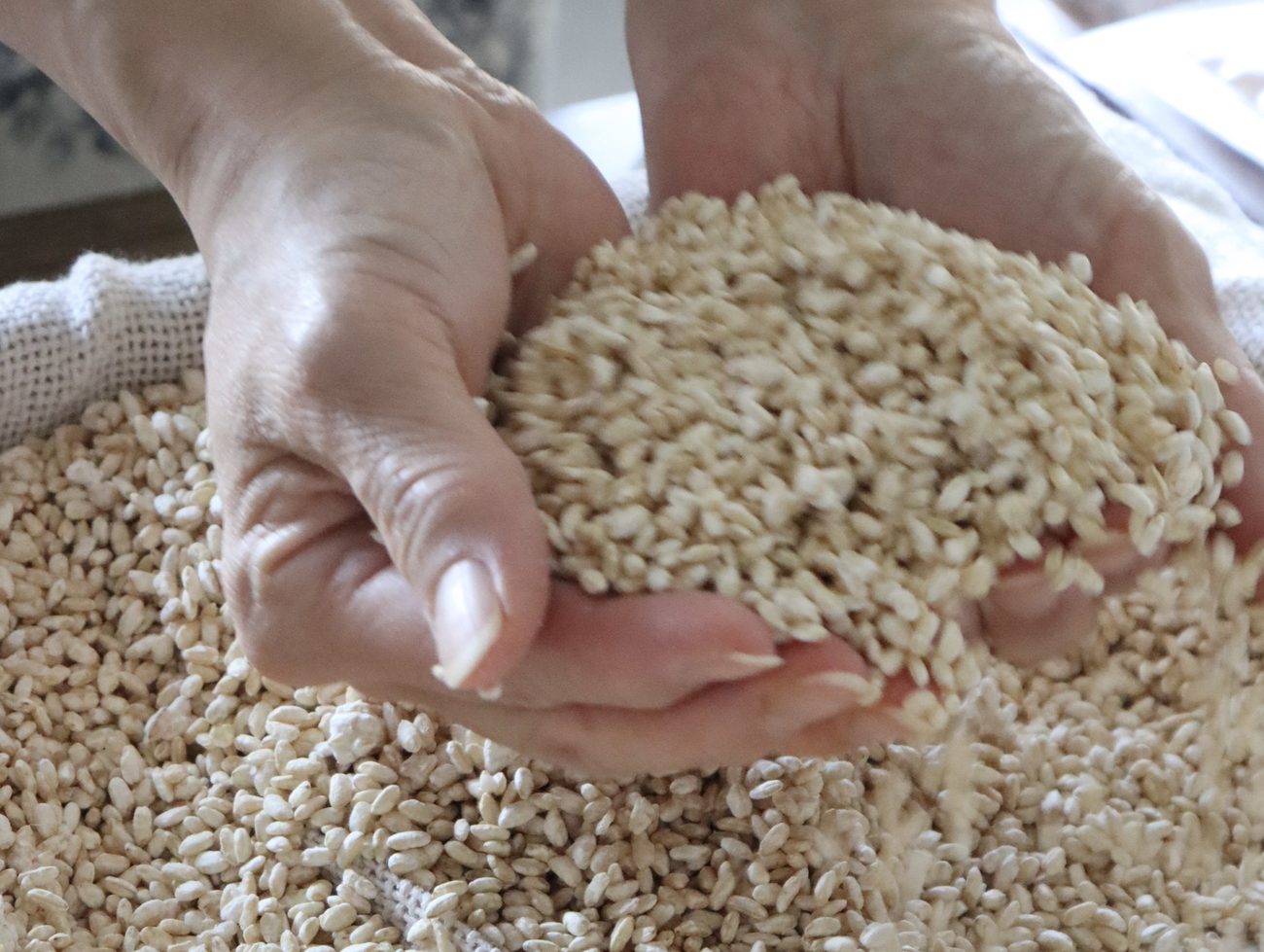
See rice koji made with yellow, white and black koji molds, alongside red koji and soybean-based koji used for soy sauce making. Compare their appearance and learn how they are used.
Yellow koji
Rice koji made with yellow koji mold.
White koji
Rice koji made with white koji mold.
Black koji
Rice koji made with black koji mold.
Red koji
Koji for soy sauce making
Soybean-based koji.
These are the five kinds of koji you will see on the day — not five separate species of mold.
What you will do
The session brings all of these together. The order on the day is arranged around the koji.
-
Start with a short film
Watch a short film while following along in your textbook, so you see the whole picture before you begin.
-
Inoculate steamed rice
Sprinkle tane-koji, the starter used for koji making, onto steamed rice yourself.
-
Experience dekoji — taking out finished koji
Work with koji prepared in advance and experience the final stage of koji making.
-
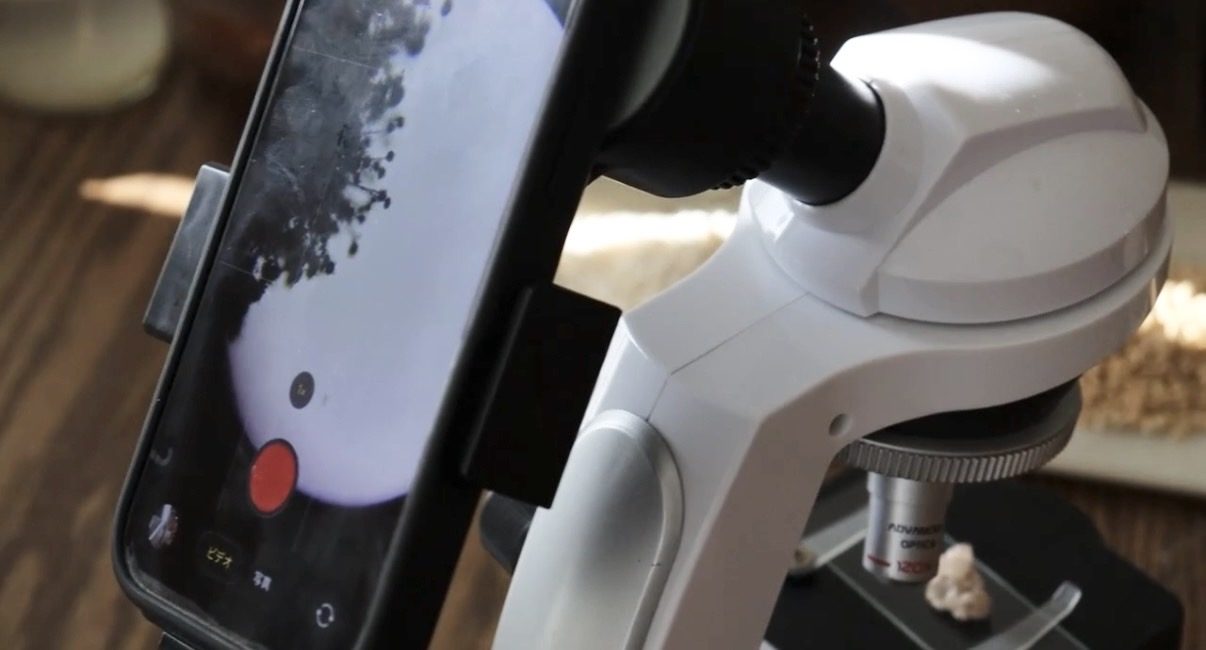
Observe koji mold under a microscope
Look closely at the mold growing on koji and connect what you see with the ingredients used in Japanese fermentation.
-
Taste how koji changes flavour
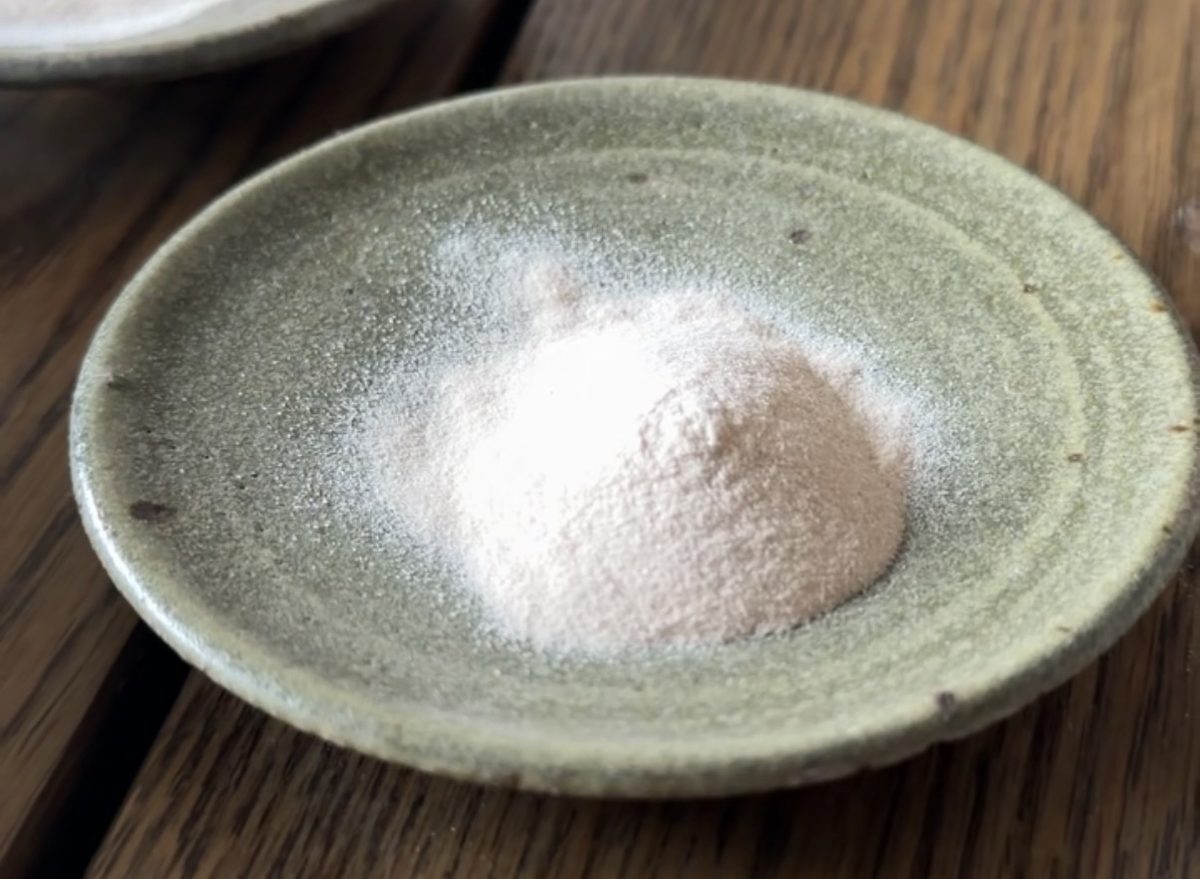
Compare sweet ama-koji (a sweet koji preparation) made with different koji molds, including black koji, and taste shio-koji (a salt-based koji seasoning) and shoyu-koji (a seasoning made by combining koji with soy sauce). The ama-koji selection varies with the batches prepared for the session.
-
Learn to make ama-koji — and take soy sauce making home
See how ama-koji is prepared, and take home a soy sauce-making kit to start your own soy sauce in your kitchen, with instructions to follow.
-
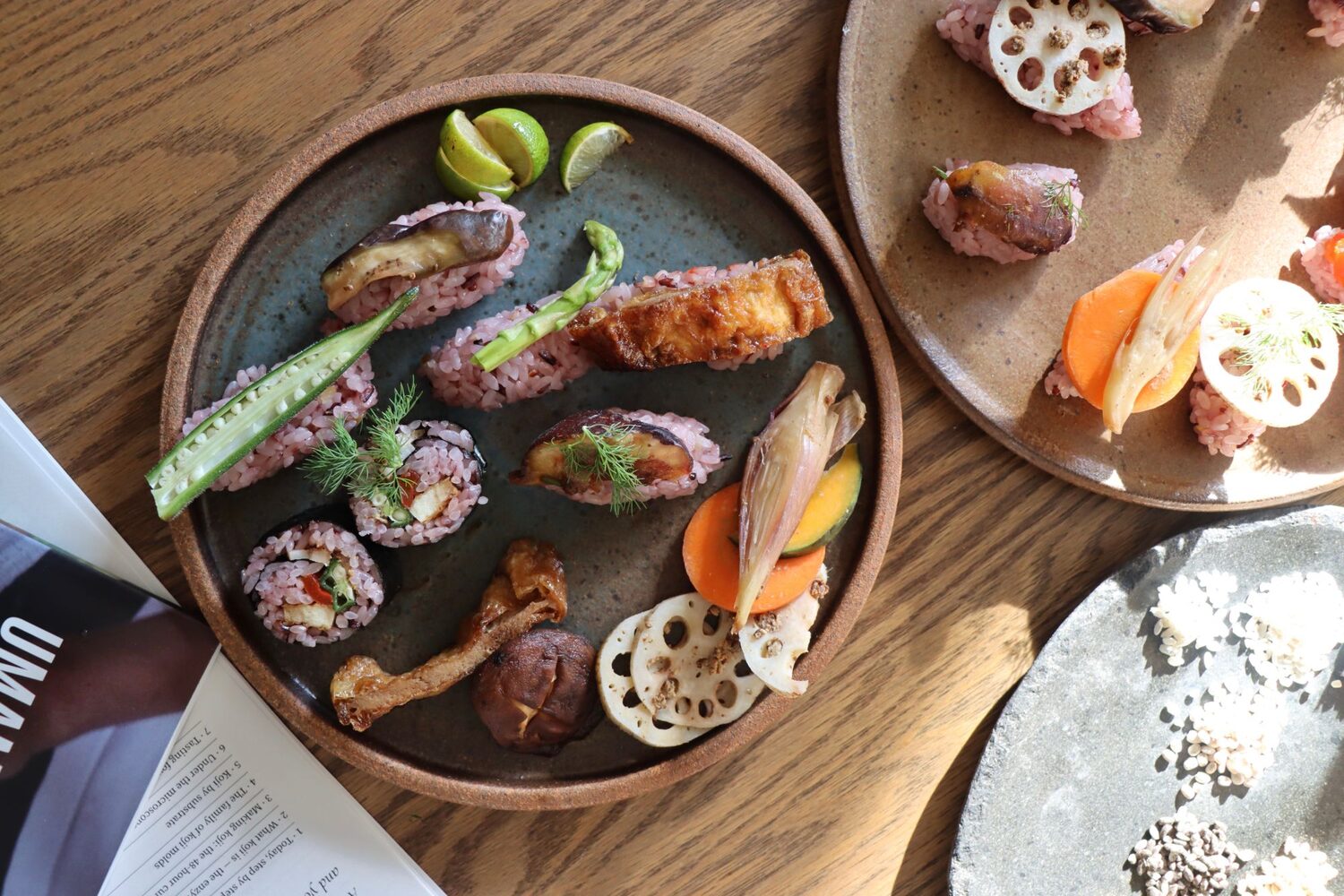
Make vegetable sushi for lunch
Prepare vegetable sushi together using koji seasonings. The recipes are included in your textbook so you can make it again at home.
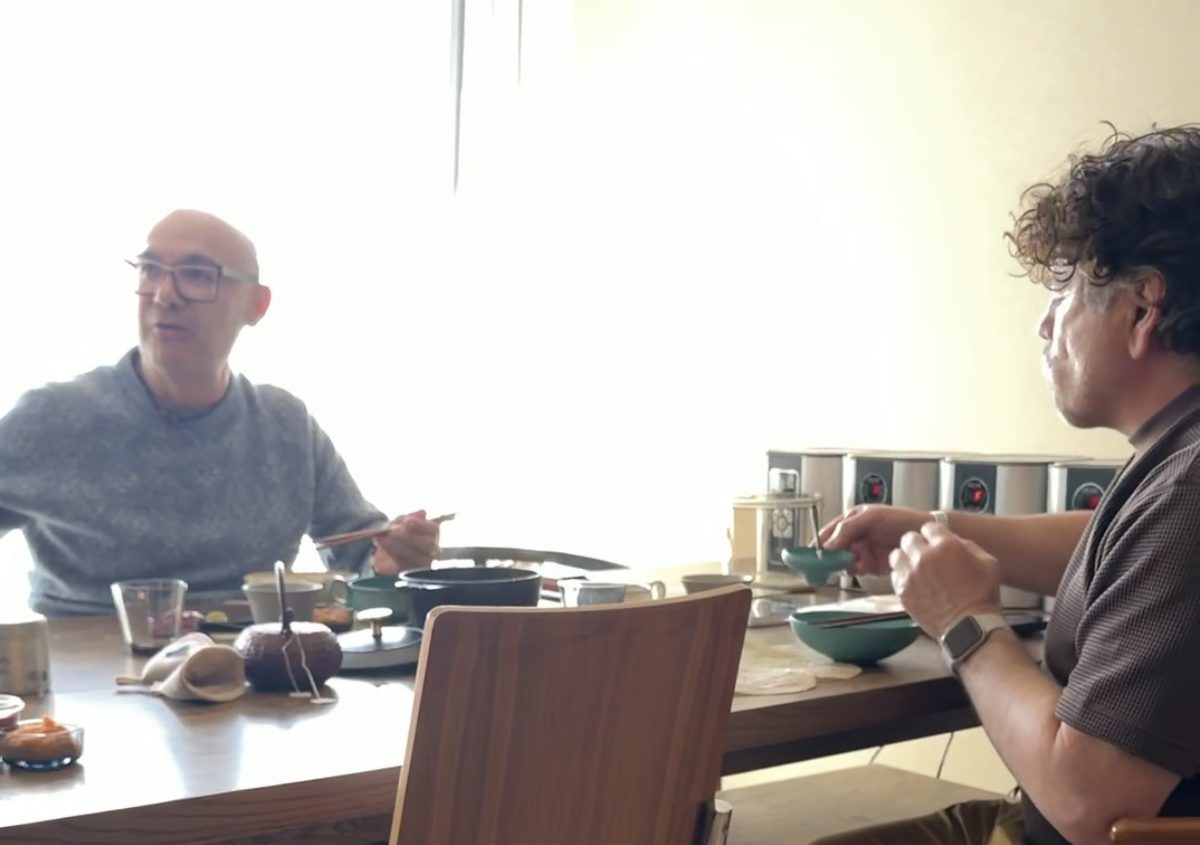
What it actually looks like
In their words
生徒さんの声
世界中からお越しくださるみなさんの、リアルな言葉を集めました。
発酵を通して広がる出会いや、気づき、そして学びの時間。
それぞれの体験が、&LAB TOKYOの原動力です。
A wonderful experience with koji
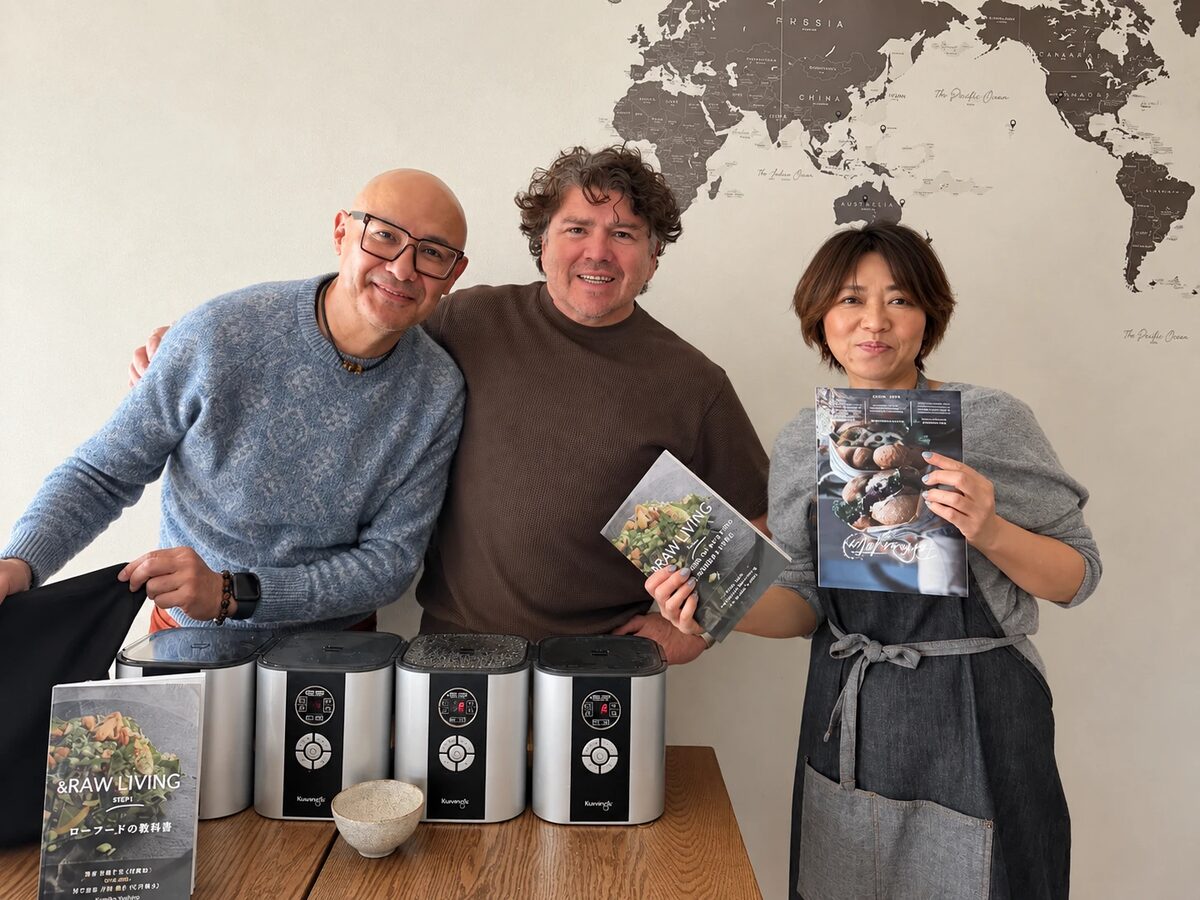
Oscar joined us from the USA, together with a guest from Mexico.
After the class, he shared how impressed he was by the experience, particularly the way the training video made the world of koji and fermentation easy to understand.
オスカーさんは、メキシコからのゲストと一緒に、アメリカから参加してくださいました。
レッスンの後には、この体験にとても感動したこと、特にトレーニング動画のおかげで麹と発酵の世界がとても分かりやすかったことを話してくださいました。
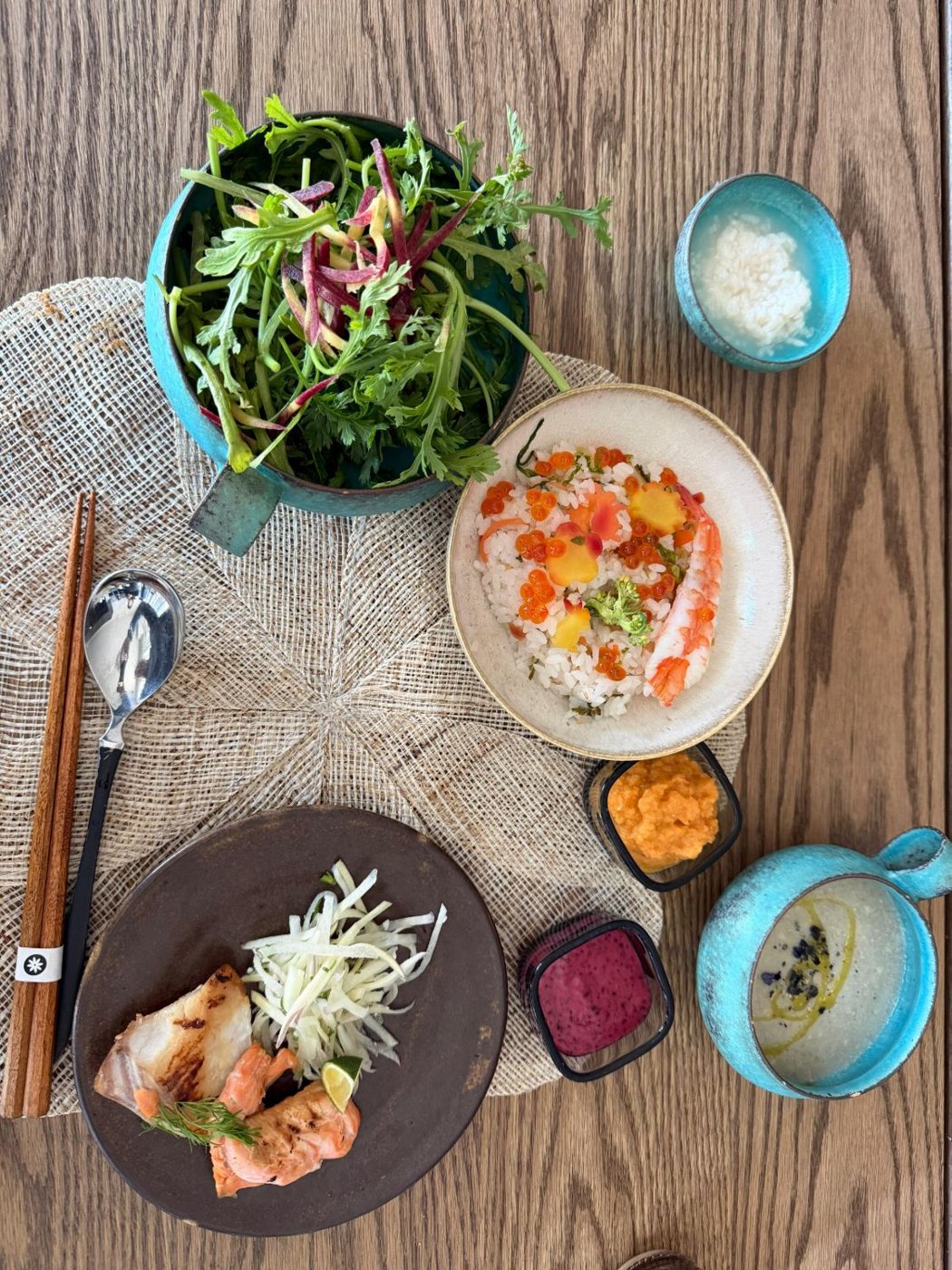
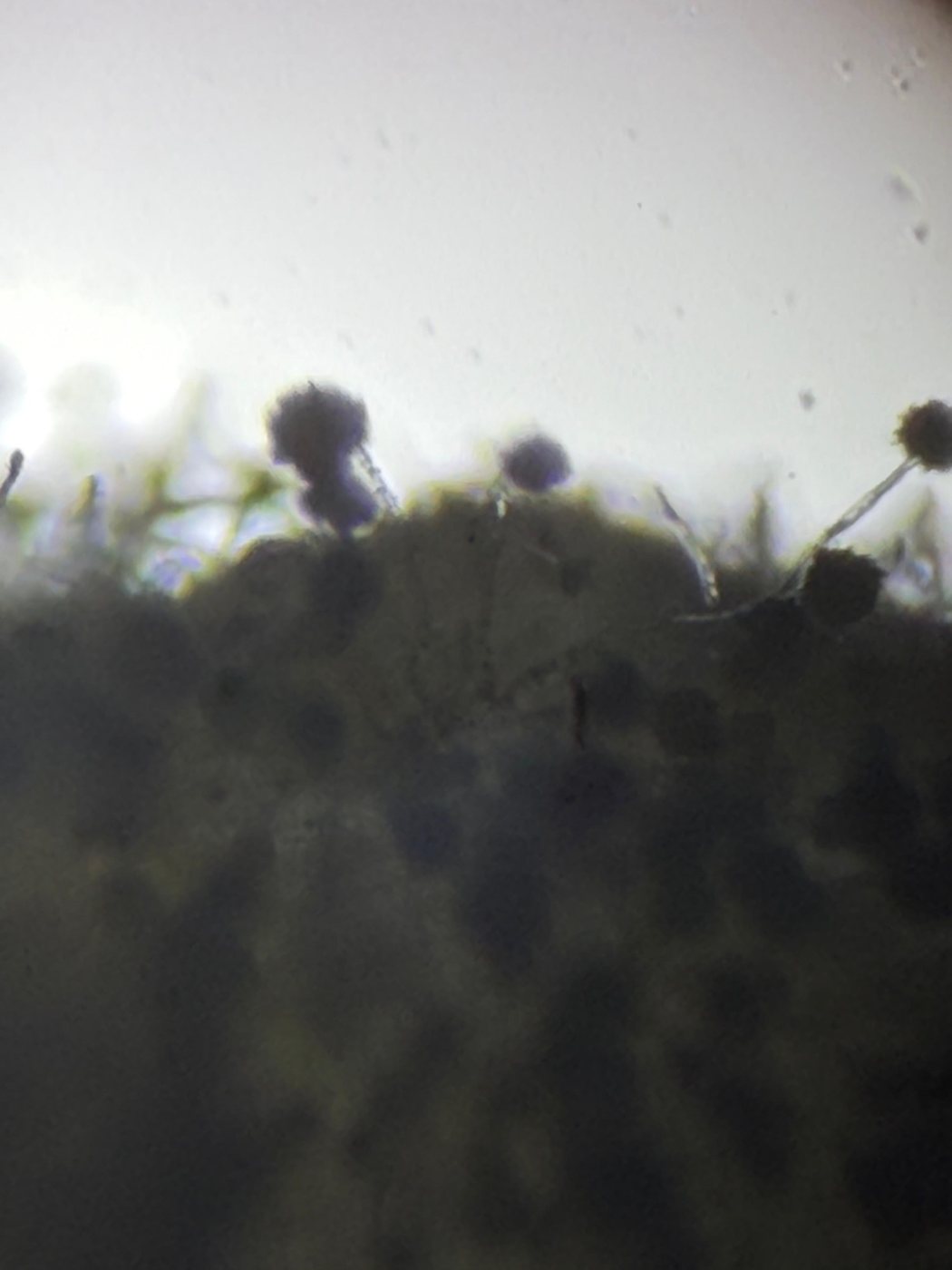
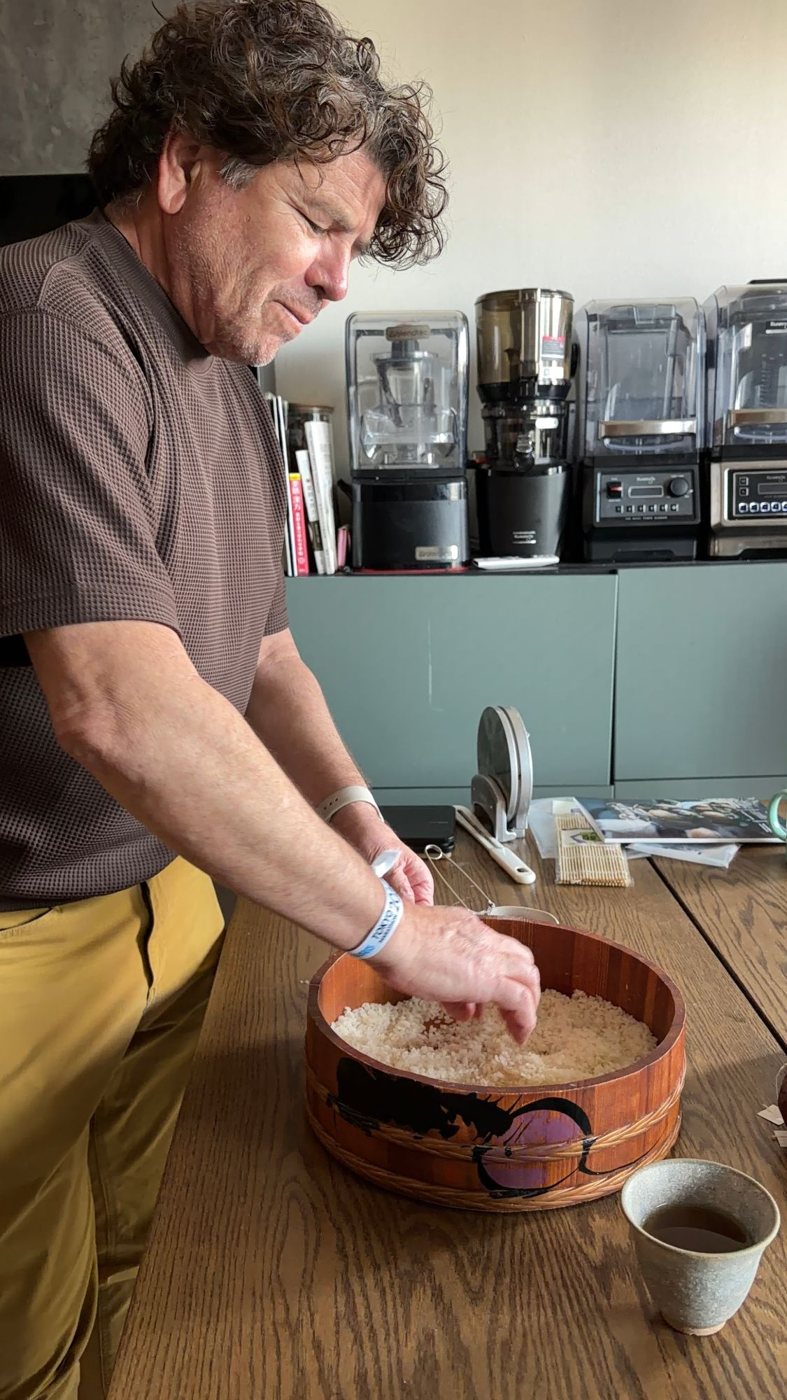
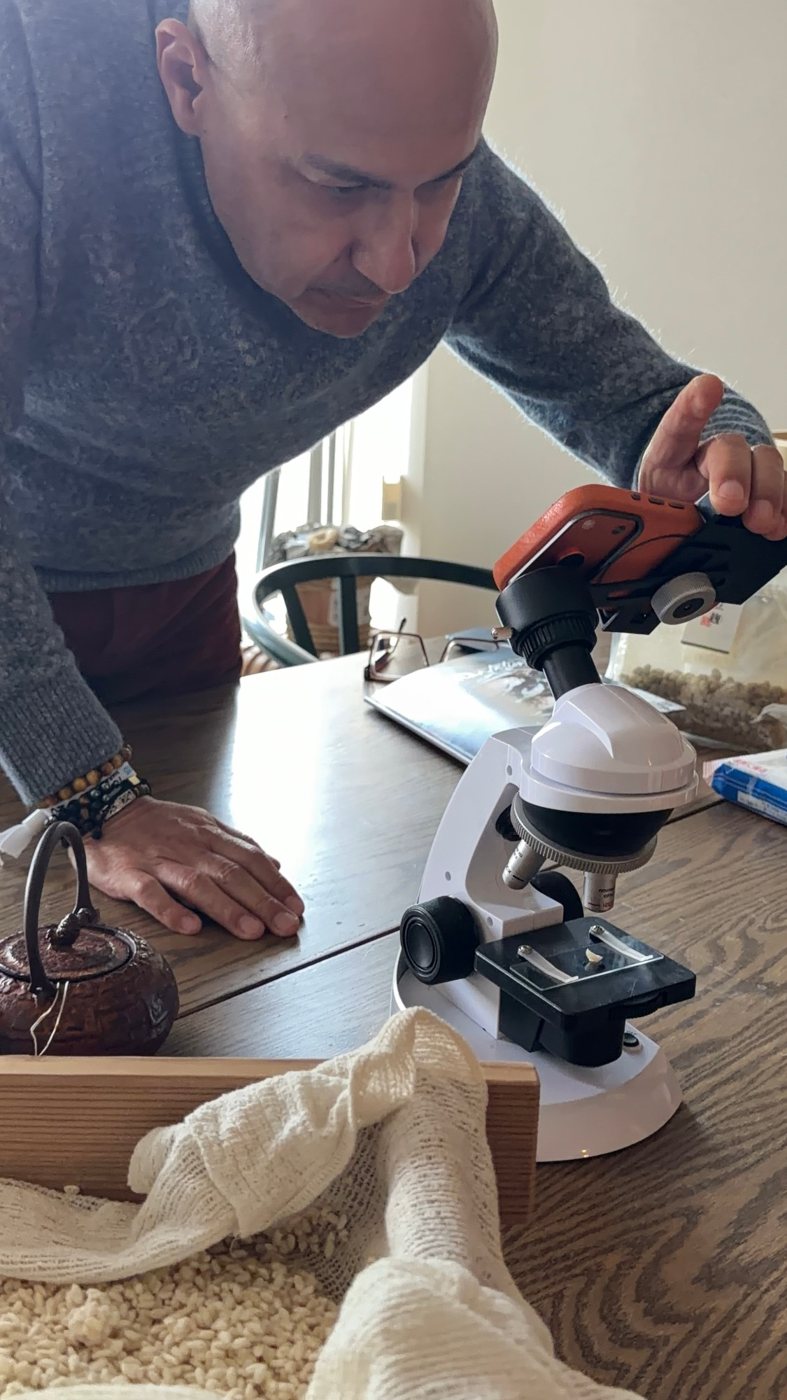
More from Oscar
After the class, Oscar sent us a lovely message.
One of the things that particularly caught his attention was the training video shown at the beginning of the lesson.
“I really liked the training video and was surprised that it took you only one day.”
He was interested in exploring a similar approach for his own videos.
At &LAB TOKYO, we combine visual learning, a detailed textbook, and hands-on practice to make the science and craft of Japanese fermentation easier to understand. It was wonderful to discover that the way we share knowledge had inspired him, too.
Our conversation continued after the lesson, with photos, questions, and new ideas. Sometimes, the connections that begin with koji grow into something unexpected.
レッスンの後、オスカーさんからうれしいメッセージが届きました。特に印象に残ったのは、レッスンの最初に見ていただいたトレーニング動画だったそうです。
「トレーニング動画がとても気に入りました。たった1日で作ったと聞いて驚きました。」
ご自身の動画でも、同じような作り方に挑戦してみたいとのことでした。&LAB TOKYO では、映像とテキスト、そして実際の手仕事を組み合わせて、日本の発酵の仕組みと技をわかりやすく伝えています。その伝え方が、オスカーさんの刺激にもなったことが、とてもうれしい出来事でした。
レッスンが終わったあとも、写真を送ってくださったり、動画づくりについて質問をいただいたり。麹をきっかけに始まった交流が、その先にも続いています。
There’s a lot that goes into Japanese cooking that I had no idea about. Many of the foods I’ve eaten in Japan probably use koji, and I never knew!
日本料理には、知らなかったことがたくさんありました。日本で食べてきたものの多くに、きっと麹が使われていたのに、まったく知りませんでした!
Ryan — Japan · UMAMI & KOJI LAB
Take the learning home
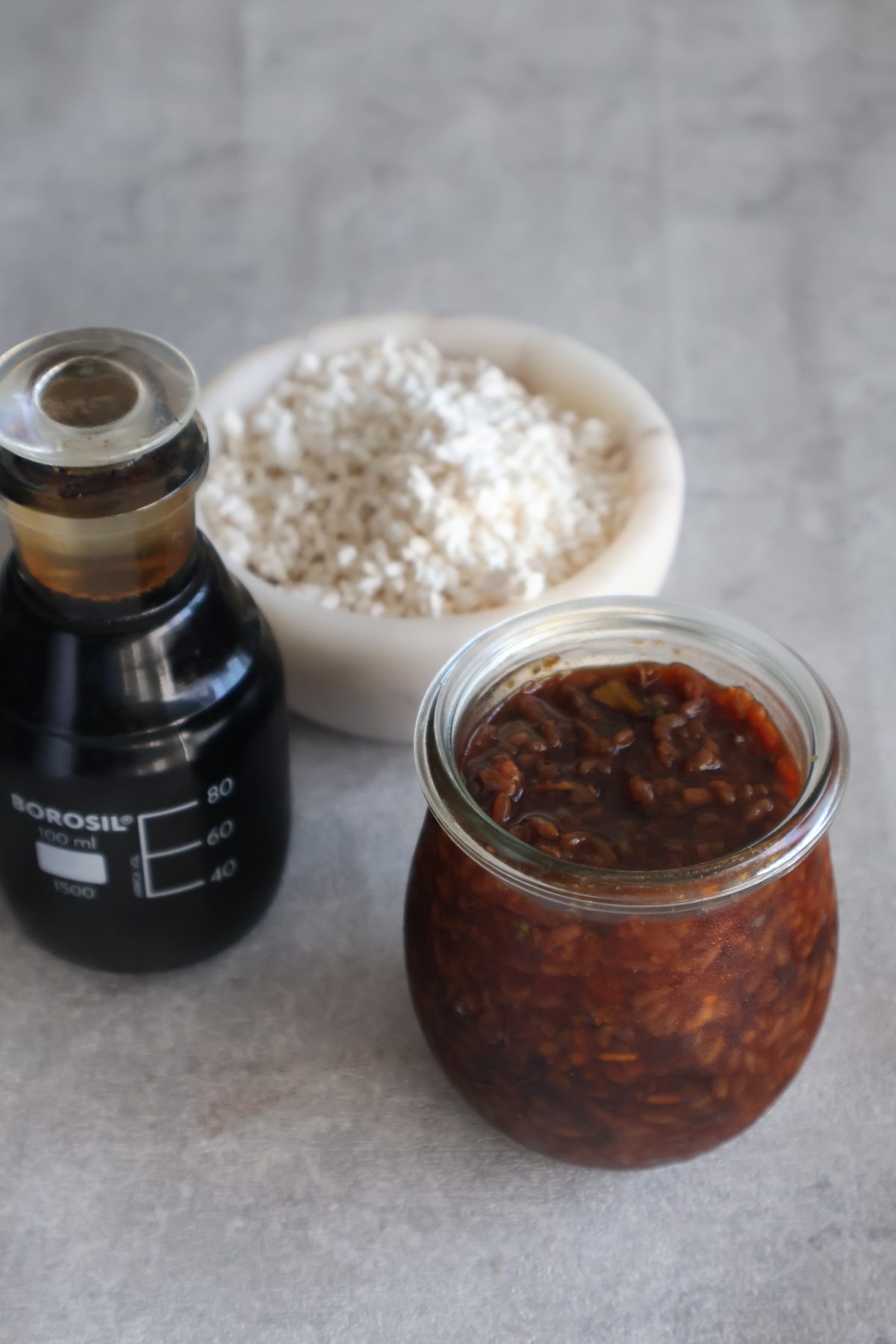
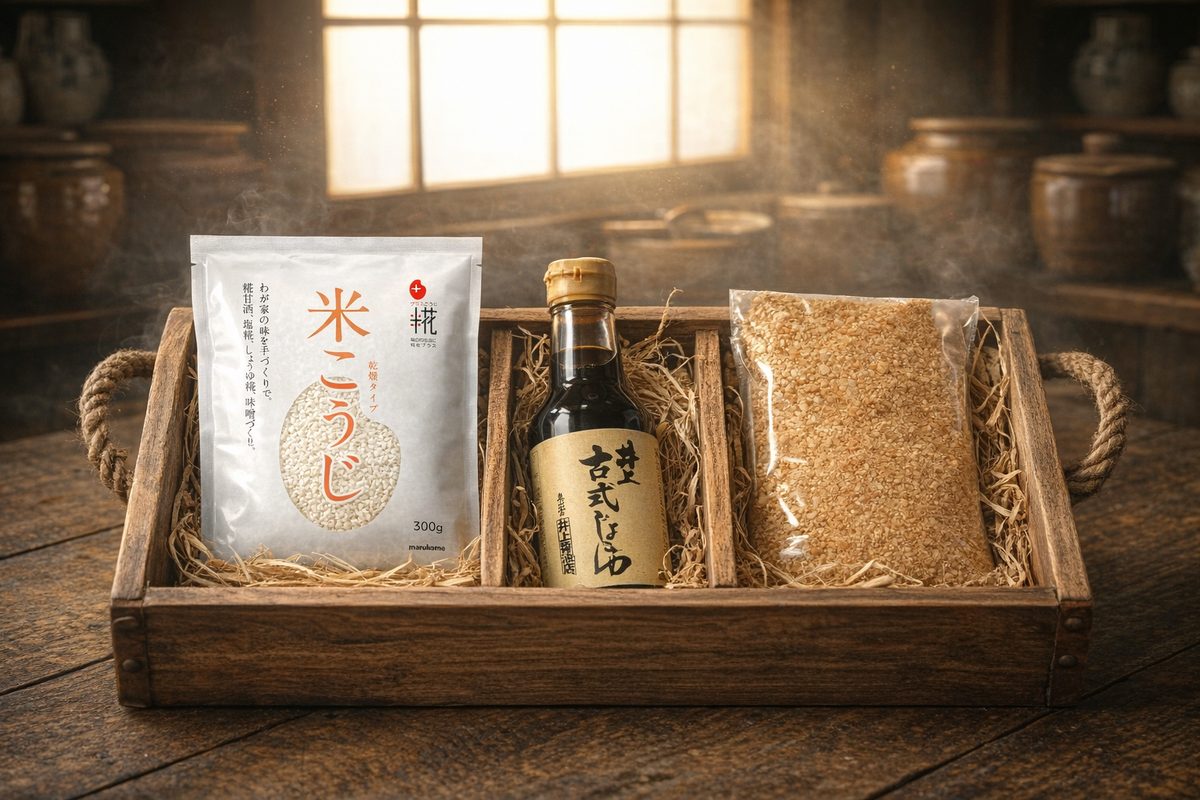
Continue exploring koji in your own kitchen with ingredients, a soy sauce-making kit and your own copy of our 90+ page textbook.
- Koji for making ama-koji and shio-koji
- Black koji
- Soy sauce-making kit
- Soy sauce
- Specially selected sushi vinegar
- A 90+ page UMAMI & KOJI LAB textbook

A textbook to return to after the lesson
Your 90+ page textbook brings together the ideas behind the experience, practical methods and recipes for continued learning at home.
- Koji and the foundations of fermentation
- Microorganisms and enzymes
- Understanding umami
- Making koji and koji seasonings
- Recipes, including vegetable sushi
Plant-based by default.
Every session can be prepared fully vegan — just let us know when you book.
- VEGAN ON REQUEST
Please tell us about any food allergies or dietary requirements when you book. Our kitchen uses a wide range of ingredients, including soy, nuts, sesame and fermented seasonings. Although nuts may not be used in your class menu, they are handled in the same kitchen.
Details
| Made for | International guests visiting Japan — travelers whose time in Tokyo is short. |
|---|---|
| Languages | English, with English-speaking support staff alongside Chie for the full session. Japanese is also spoken. |
| Duration | Approx. 4 hours |
| Group size | Private, 1–4 guests. Solo travelers are welcome. With a small group, there is time for every question and everyone works with their own hands. |
| Location | &LAB TOKYO — Jingumae, Shibuya-ku, Tokyo. A short walk from Gaienmae, Omotesando, Sendagaya and Kokuritsu-Kyogijo stations. The full address is sent with your booking confirmation. |
| Includes | The &LAB TOKYO Signature Lunch, all tastings, the take-home set (koji for ama-koji and shio-koji, black koji, a soy sauce-making kit, soy sauce and sushi vinegar) and a 90+ page textbook for every guest. |
| Bookings close | 4 days before the session — your koji needs three days to grow. If your date is less than two weeks away, please ask us first — the English-speaking assistant has to be arranged, and there are dates when we cannot. |
Book Your Experience
Private session · 1–4 guests · 4 hours. From ¥65,000 per person. Better together — every guest you add lowers the price for everyone.
| 1 guest¥100,000 total | ¥100,000per person |
|---|---|
| 2 guests¥160,000 total | ¥80,000per person |
| 3–4 guests¥195,000–260,000 total · best value | ¥65,000per person |
- Prices above are per person. Tax included. The session is private for 1–4 guests, so there is time for every question and hands-on practice for everyone.
- The take-home set and a 90+ page textbook are included for every guest.
- English-speaking support staff work alongside Chie for the whole session (about 4 hours), so you can follow every part of the session — including the technical parts — in English. Included in the price above, at no extra charge.
- Consumption tax (10%) applies to all experiences and is included in the listed price. Tax-free shopping exemptions do not apply to services provided in Japan.
Prices as of this date.
Booking & cancellation
Your session is held for your group alone. From the moment you book, the date closes to everyone else, English-speaking support staff are scheduled, and ingredients are ordered in for you specifically. Three days before you arrive, your koji is sown — and it cannot be paused, reused, or moved to another date.
| Reservations close | 4 days before the session. Less than two weeks away — please ask us first; the assistant cannot always be arranged |
|---|---|
| 30 days or more before | Free — full refund |
| 29–15 days before | 30% charged |
| 14–8 days before | 50% |
| 7–5 days before | 80% |
| Within 4 days, or no-show | 100% |
We're sorry to be strict about this one. By the time we're inside that window, your koji is already growing — and it only grows once. Full terms are shown again when you book.
Frequently asked questions
What language is the session held in?
English. English-speaking support staff are arranged for every session and work alongside Chie for the whole session (about 4 hours) at no extra charge, so you can follow the technical parts — the molds, the enzymes, the method — in English as well. Japanese is also spoken.
How long does it take, and how many people join?
About 4 hours. Every session is private for one to four guests, so there is time for every question and everyone gets hands-on practice.
Can I join as a solo traveler?
Yes. Many guests come alone, and solo travelers are welcome. Couples, friends and small groups of up to four book the same private session; the price per person is lower the more of you there are.
What happens during the lesson?
You inoculate steamed rice with tane-koji, take finished koji out of incubation (dekoji), observe koji mold under a microscope, taste ama-koji, shio-koji and shoyu-koji, learn to make ama-koji and take home a soy sauce-making kit, and make vegetable sushi together for lunch. You will also see five types of koji side by side.
Do I need a background in science or cooking?
No. Nothing is assumed, and no cooking or laboratory background is needed. The detail is there if you want it — five types of koji side by side, koji mold under the microscope, and what the enzymes do to create sweetness and umami.
Can the session be made vegan, or work around allergies?
Every session can be prepared fully vegan — please let us know when you book. Please tell us about any food allergies or dietary requirements when you book. Our kitchen uses a wide range of ingredients, including soy, nuts, sesame and fermented seasonings. Although nuts may not be used in your class menu, they are handled in the same kitchen.
What do I take home?
Koji for making ama-koji and shio-koji, black koji, a soy sauce-making kit, soy sauce, specially selected sushi vinegar and a 90+ page textbook — one set for every guest. The textbook includes the recipes, including vegetable sushi, so you can continue at home.
How much does it cost?
From ¥65,000 per person, tax included. One guest is ¥100,000, two guests are ¥80,000 each, and three to four guests are ¥65,000 each. Every guest you add lowers the price for everyone.
Koji takes days to grow. How does one session cover that?
It does. We prepare koji in advance, so that in the same lesson you can inoculate steamed rice yourself and also take finished koji out of incubation (dekoji). The koji you inoculate on the day is not finished during the lesson.
How late can I book?
Reservations close four days before the session, because your koji is sown three days before you arrive and needs that time to grow. One more thing to know: the English-speaking assistant who works alongside Chie is booked two weeks ahead. If your date is less than two weeks away, please ask us anyway — we will tell you straight away whether we can arrange her for that day. Sometimes we cannot, and then we have to decline that date: she is part of this session, not an extra you can leave out.
What is the cancellation policy?
Free up to 30 days before. 30% from 29–15 days before, 50% from 14–8 days, 80% from 7–5 days, and 100% within 4 days or for a no-show. Once your koji has been sown it cannot be paused, reused, or moved to another date.
Where is it held?
At &LAB TOKYO in Jingumae, Shibuya-ku, Tokyo — chef Chie Ando's private kitchen. A short walk from Gaienmae, Omotesando, Sendagaya and Kokuritsu-Kyogijo stations. The full address is sent with your booking confirmation.
Can I do a longer, multi-day koji-making program?
If you are interested in a deeper multi-day koji-making program, please contact us and we will discuss it with you. It is not one of the options priced above.
Reserve your seat
A koji session of about 4 hours: inoculating rice and dekoji, microscopy, tasting, ama-koji and soy sauce making, and vegetable sushi for lunch. Bookings close 4 days before your session — your koji needs three days to grow. If your date is less than two weeks away, please ask us first — the English-speaking assistant has to be arranged, and there are dates when we cannot. Please write here if you have any allergies or special requests. We'll reply within three business days to confirm your date.