From Thailand to Tokyo
Three Days of a Trip, Spent Growing Koji
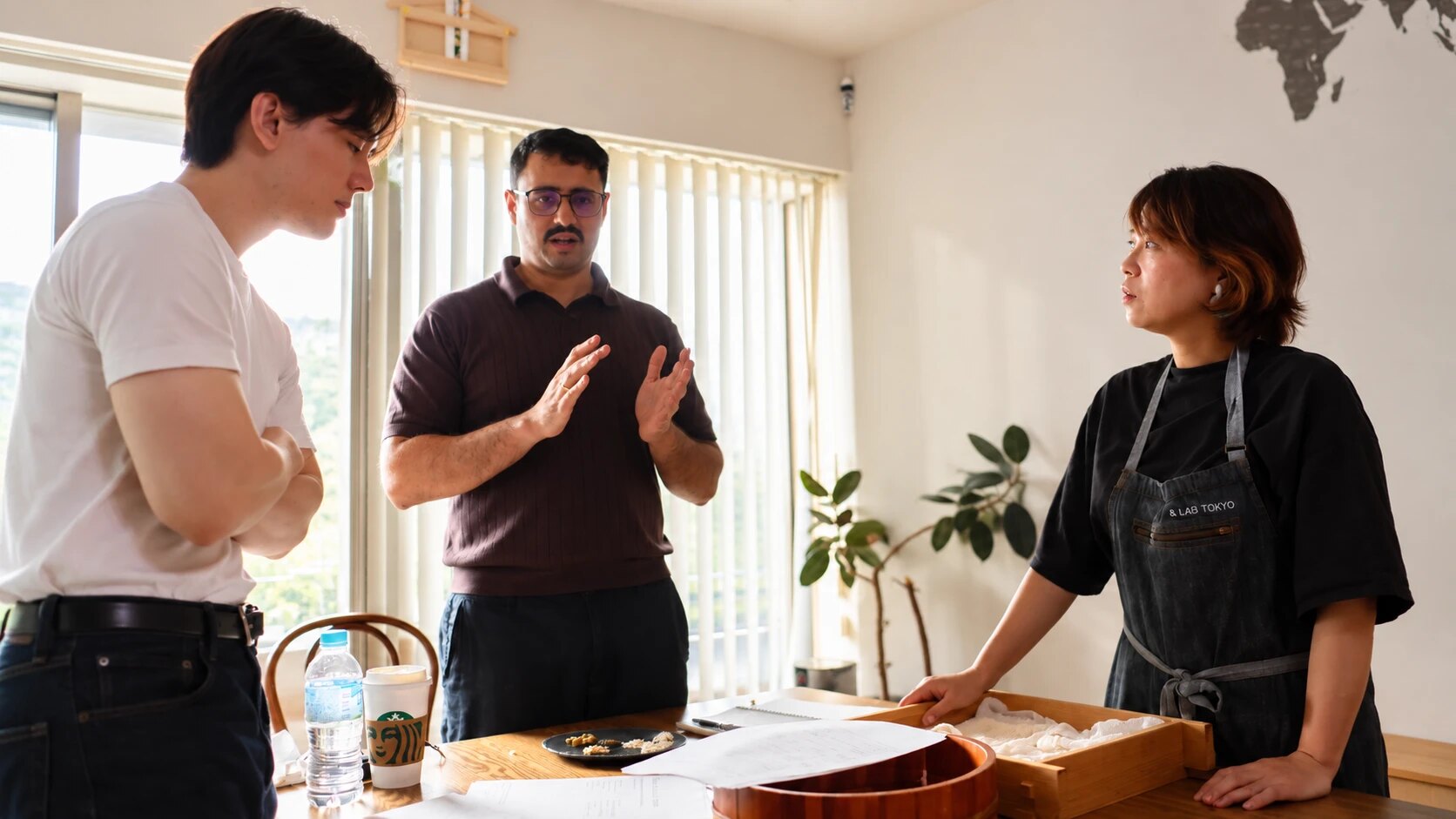
Ten years in, guests from abroad are asking for the deeper course
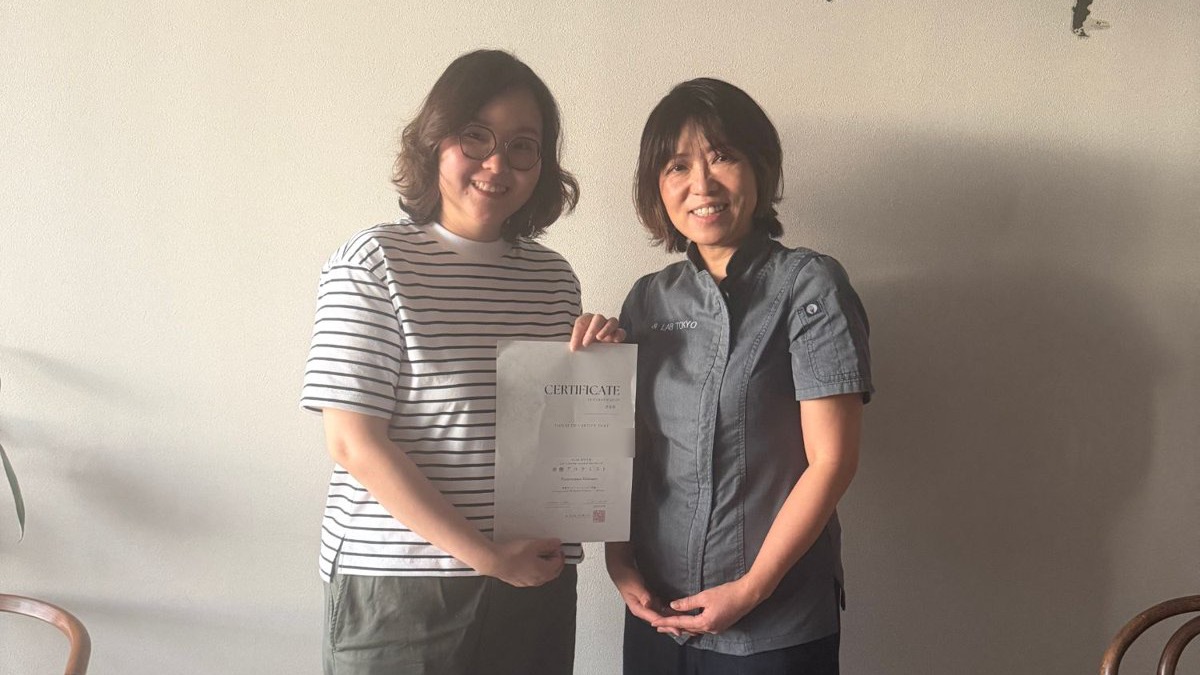
Lately, guests from abroad have started finding their way to &LAB TOKYO.
Some of them arrive after an AI assistant pointed them here. The website we have spent about a year rebuilding is slowly becoming a door to the rest of the world.
Our small cooking school in Jingumae, Tokyo turns ten this December. When I started, I hoped that one day I would share what I had learned about raw and living food beyond Japan. It is happening now, in a way I did not expect.
Not only the visitor experience
When enquiries from overseas began to grow, what I had prepared for visitors was UMAMI & KOJI LAB: a private session of about four hours where you can get inside Japanese koji even in the middle of a trip.
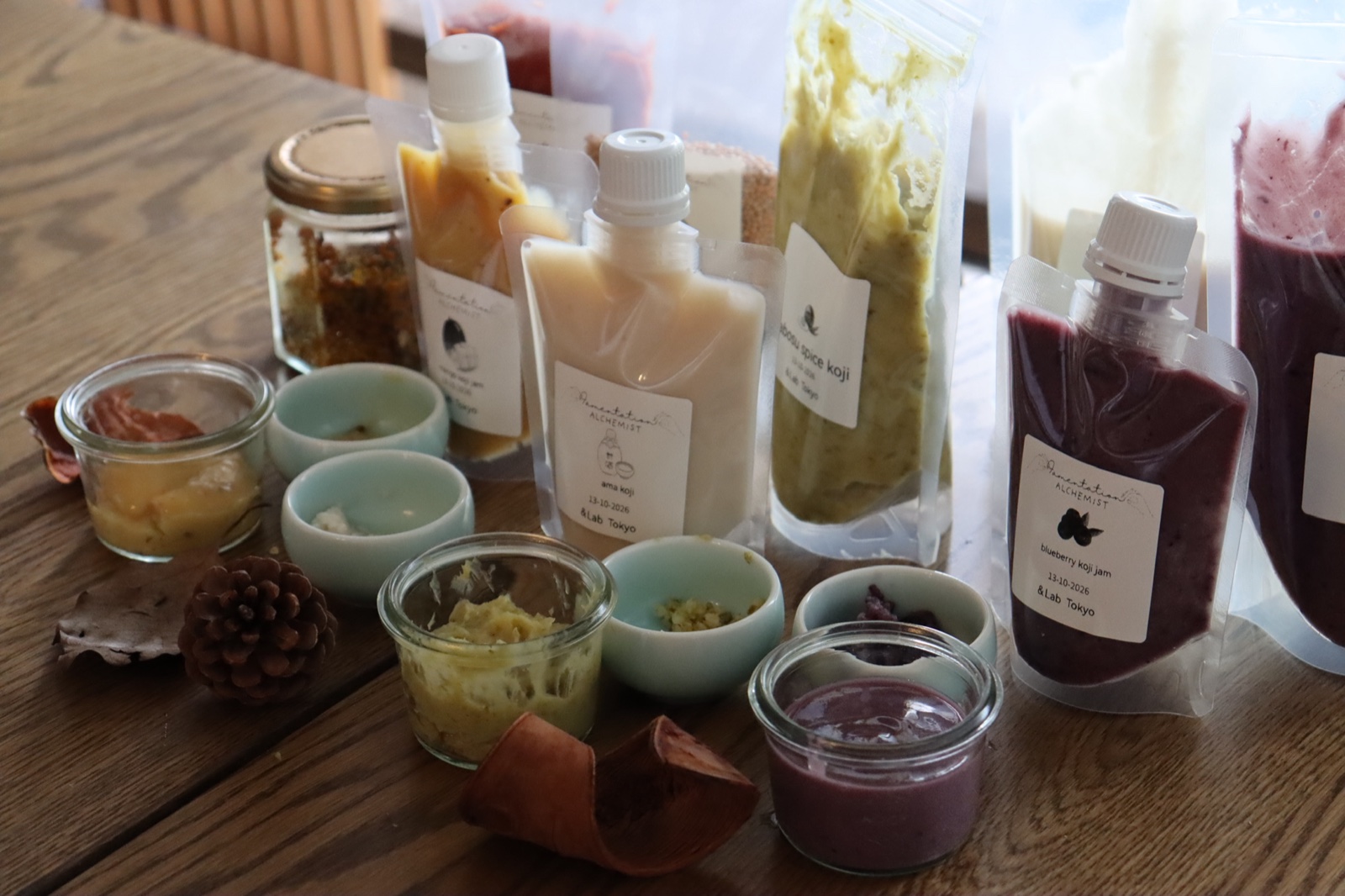
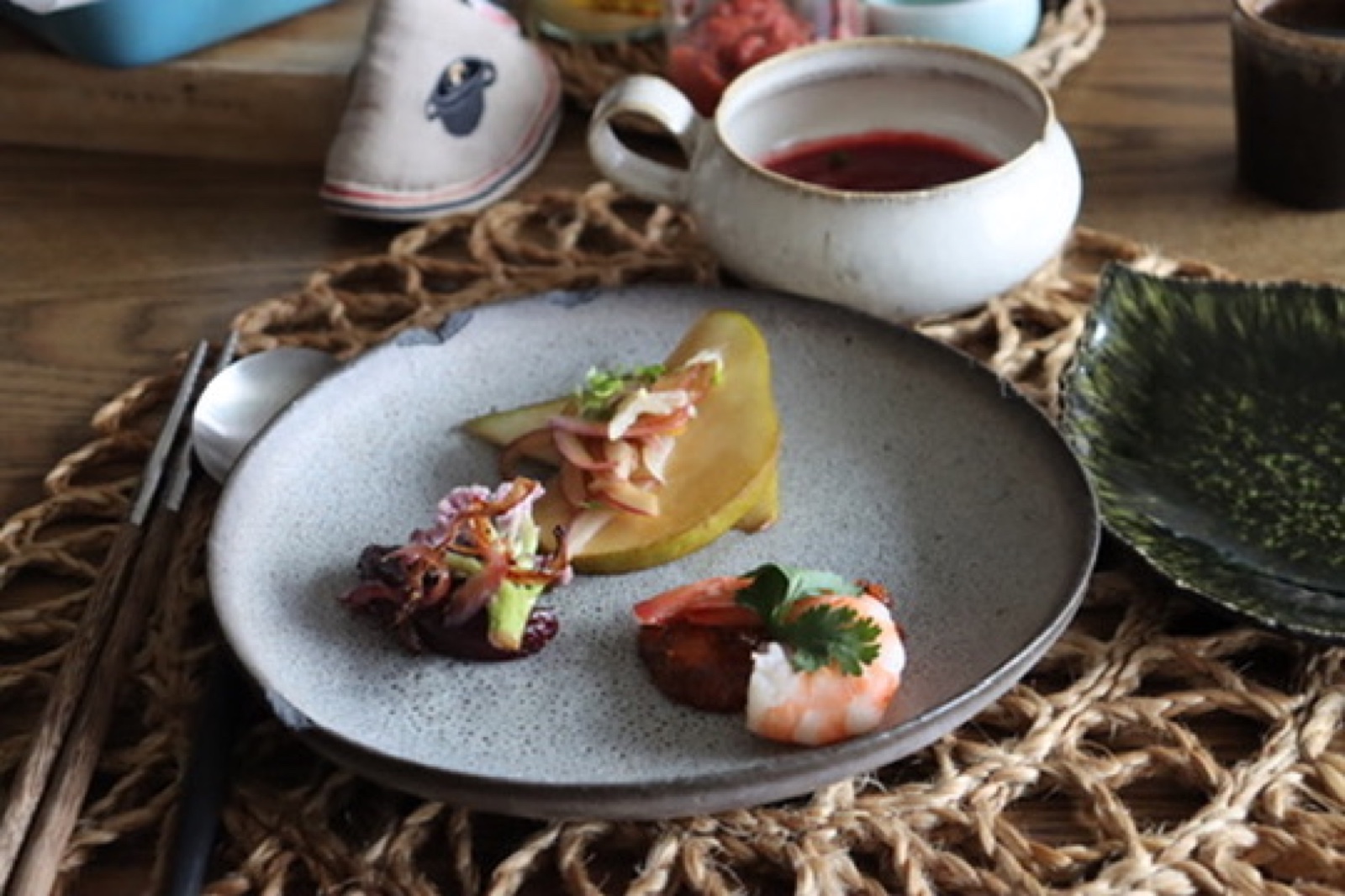
I should say clearly that it is not a quick taster. In those four hours you sow tane-koji onto steamed rice, take finished koji out of incubation, look at the mold under a microscope, compare five kinds of koji, taste ama-koji, shio-koji and shoyu-koji, and cook lunch with them. The English textbook you take home runs to about 100 pages. The content is drawn from the koji and umami chapters of my professional course, so for most visitors it is a full and satisfying way to learn koji in a single visit.
Then something I had not expected started to happen. Some guests did not want the four-hour session. They asked for the course I had built, over many years, for my Japanese students: The Fermentation Alchemist Course.
Much of what I most want to pass on lives in that course. We do not only make koji seasonings. We learn how koji mold works, observe the world of microbes, and ask why each change happens, drawing on years of my own experiments, observation notes and the science behind them, so that fermentation can be understood as a phenomenon rather than a set of recipes.
I kept studying not only as a cook but out of plain curiosity. It turns out there are people abroad who are curious about that slightly obsessive world too.
Three days of a trip, spent on koji
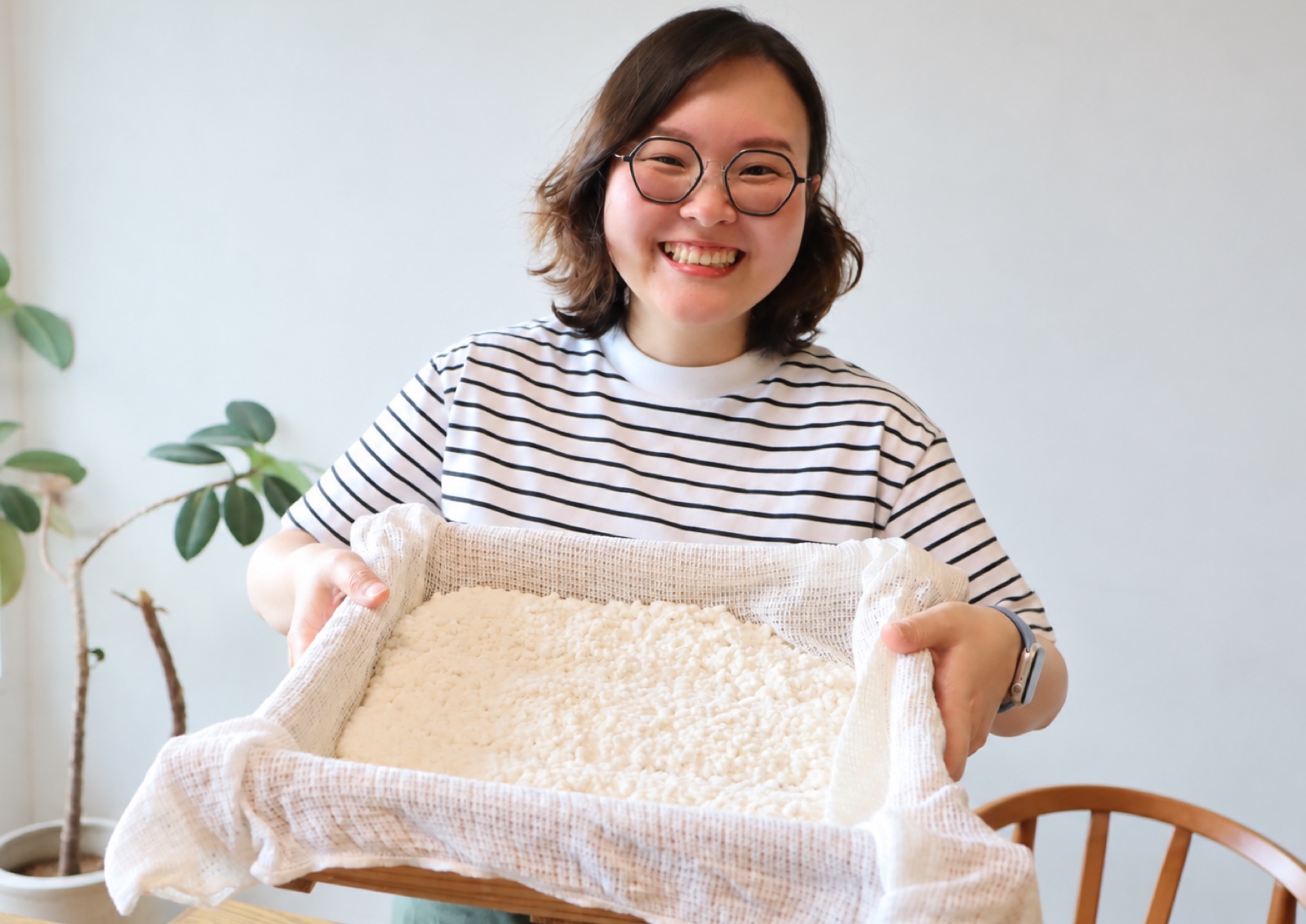
This October, Joy came from Thailand to take the Fermentation Alchemist Course: the Basic and Advance levels, taught as a three-day intensive.
Over those three days we grow koji and watch it change. Koji is not finished the moment it is inoculated. You read the temperature, the humidity and the hours that have passed, and you adjust the environment so the mold can grow.
What is different today from yesterday? How has the smell changed? Why do two batches made the same way come out differently? Each small change is a lesson.
Three days in the middle of a trip are precious. Tokyo is full of places to see and things to eat. Joy chose to spend that time in our kitchen, growing koji. I cannot tell you how happy that made me.
Food professionals, and people who studied biology
Many of the guests who come from abroad work in food. Another thing I notice is how many have studied biology, now or in the past.
Cooking and science look like separate worlds. Try to understand fermentation properly and they join on their own: the enzymes that microbes produce, the way the components of an ingredient change, the process by which aroma and umami appear. To me, all of that is what makes cooking interesting.
So talking about koji with someone who brings a scientific eye is a pleasure. I am the teacher, and I still come away with new questions to think about.
“The balance between science and creativity”
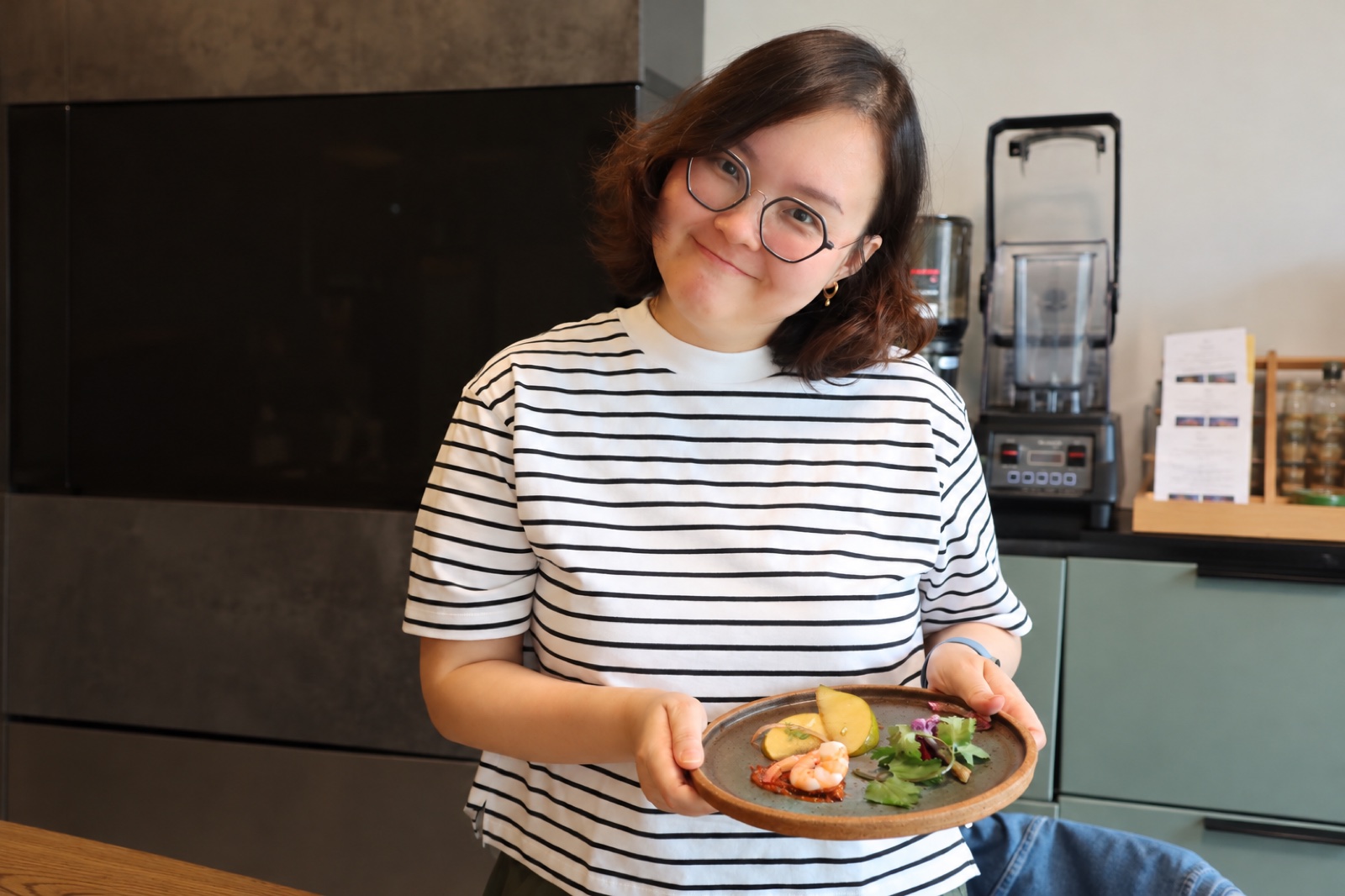
After the course, Joy sent me her thoughts. The line that stayed with me:
What I really loved was the balance between science + creativity.
She also wrote that she was excited to start her own experiments, with her own ideas and Thai ingredients.
Learning fermentation is not memorising recipes. Once you know why something happens, you can think for yourself and adapt when the ingredients change, or the climate does. That is what I have tried to teach, and I felt Joy had received it.
What will happen when the koji she learned in Japan meets the ingredients of Thailand? Just imagining it makes me excited.
The language barrier is there, and it isn’t
Teaching specialist content to guests from abroad has one obvious difficulty: language. My English is simple, and sometimes it comes out in unexpected ways. I have learned to say it anyway, without embarrassment, and it usually gets through.
Accuracy matters when we get to how fermentation works, so for the technical parts there is an English textbook, and English-speaking support can be arranged.
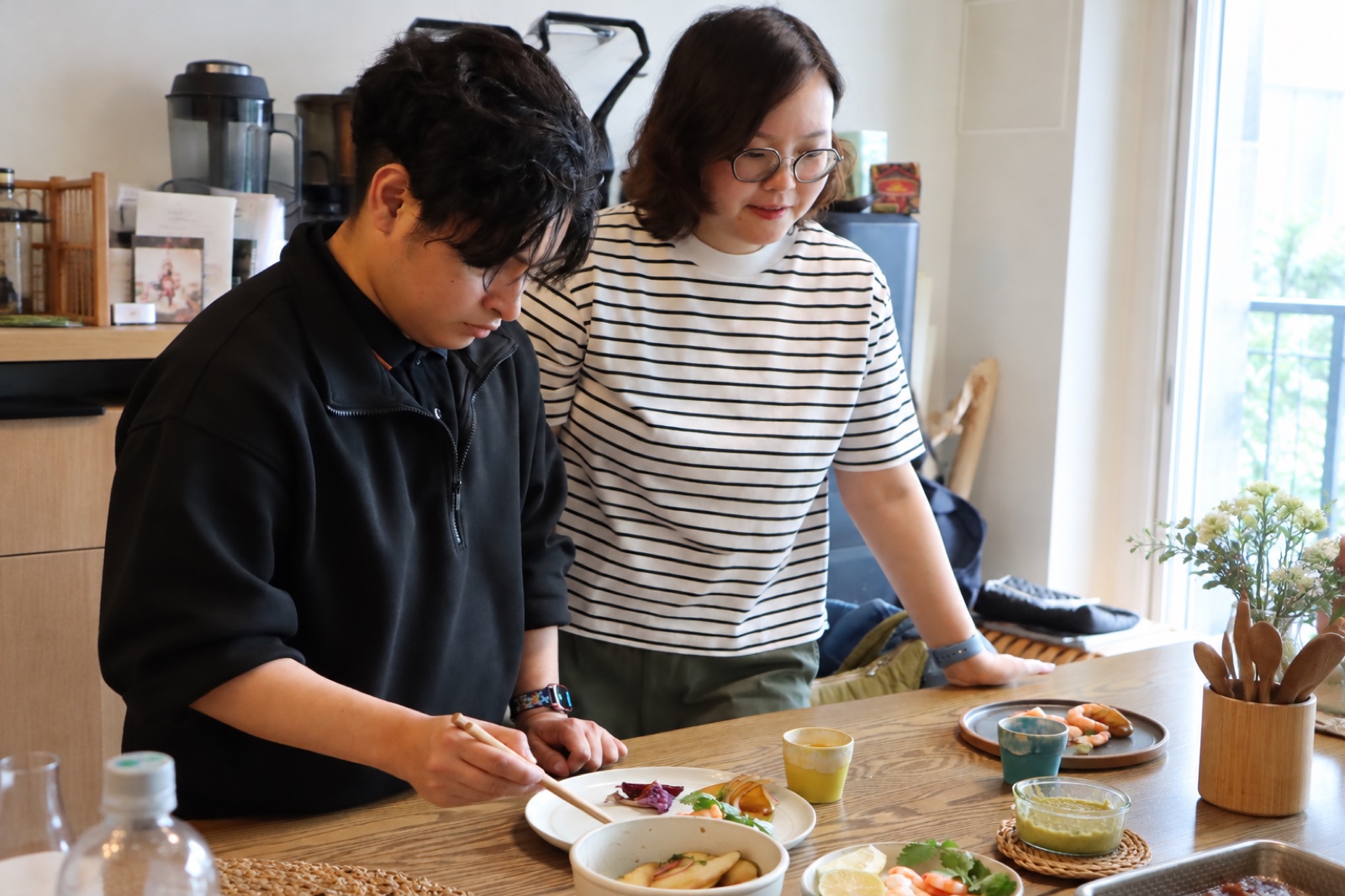
And then there are moments when words are not what teaches. The ingredients, the smell, the feel of the koji, the taste. We look at it together, we are surprised together, we taste it. The barrier turns out to be lower than I thought.
A future I did not imagine ten years ago
This December, &LAB TOKYO turns ten. From the start I wanted to reach beyond Japan. I never pictured food professionals and people with a research background coming from abroad to spend three days growing koji with me.
I want to bring this learning to more people in Japan too: from knowing fermentation, to growing it, to using it in your own life and work and passing it on. Nothing would make me happier than more people setting out to become Fermentation Alchemists, and then Hakko Souka®, the professional level, who go on to teach.
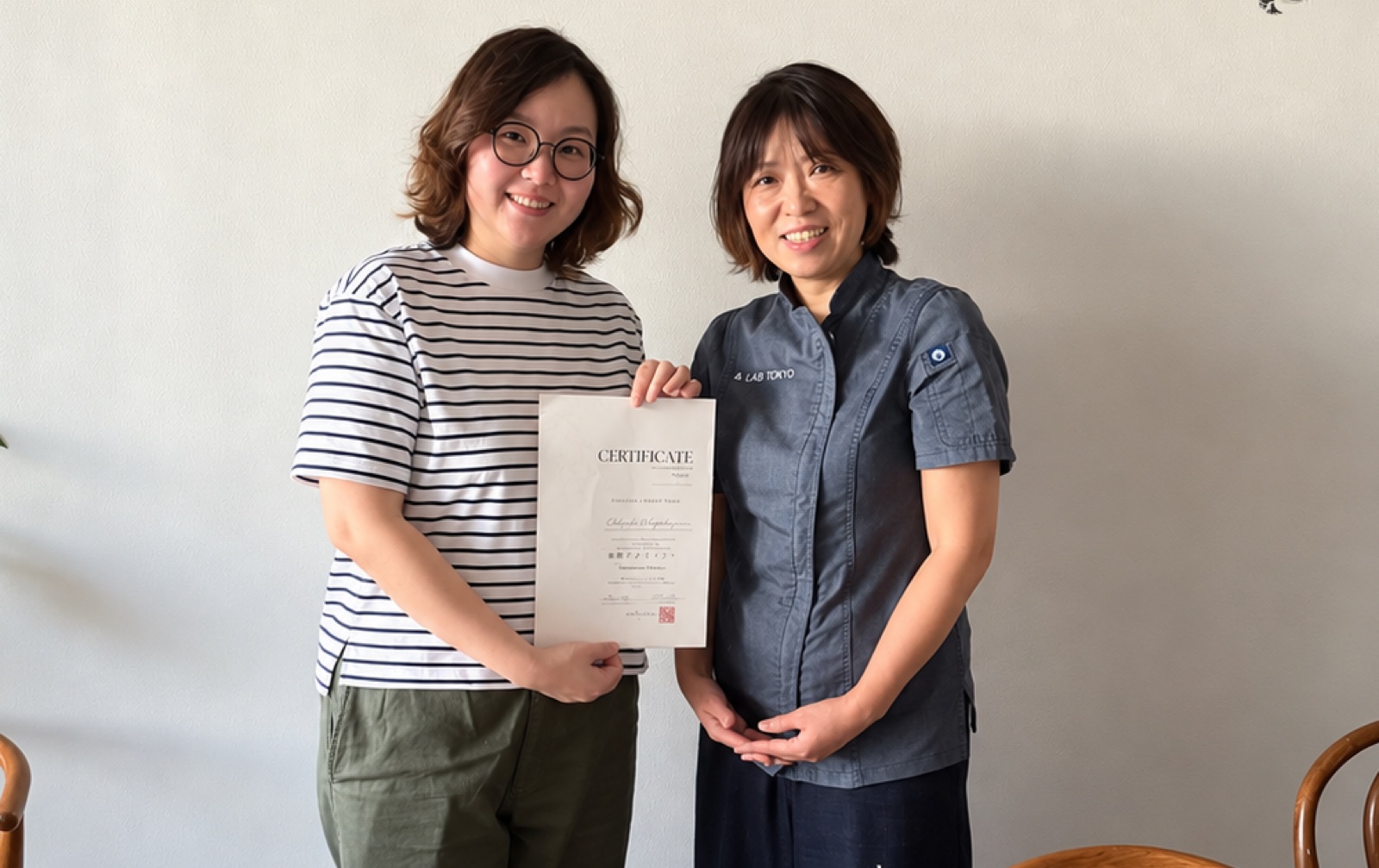
A future I could not imagine ten years ago is here. I am sure more unexpected meetings are ahead. That makes the next ten years something to look forward to.
Two ways to study koji in Tokyo
Both take place in our kitchen in Jingumae, Tokyo.
- UMAMI & KOJI LAB: about 4 hours, private for 1 to 4 guests, with an English-speaking assistant throughout. Inoculating, taking out finished koji, the microscope, tasting five kinds of koji, lunch, and an English textbook of about 100 pages to take home. From ¥65,000 per person, tax included. Book at least 4 days ahead.
- The Fermentation Alchemist Course: Basic is one intensive day; Advance is three. Joy took Basic and Advance together as a three-day intensive. Taught in Japanese; you can join in simple English, and English support is available for an additional fee. Scheduled dates; Basic from ¥42,500 plus tax.